A home remodel is an exciting milestone. You’ve invested time, money, and energy into transforming your home—whether it’s a kitchen upgrade, basement finish, or full-scale renovation. But once the work wraps up, you’re often left facing a less appealing reality: piles of renovation debris. Drywall scraps, broken tiles, old cabinets, and construction waste can quickly take over your space if you don’t have a plan.
If you’re wondering what to do with renovation debris, you’re not alone. Many homeowners underestimate both the volume of waste and how complicated it can be to remove it properly.
That’s why having a clear, structured approach matters.
Junk Runners has helped homeowners across the DMV area handle post-renovation cleanup efficiently and responsibly. With the right strategy, you can clear your space faster, stay compliant with local regulations, and reduce environmental impact. In this guide, you’ll learn practical, real-world ways to manage renovation debris without unnecessary stress.
Understanding the Types of Renovation Debris
Before you can remove renovation debris effectively, you need to understand what you’re dealing with. Not all construction waste is handled the same way, and recognizing the differences early can save you time and money.
Common Construction Materials
Most home remodels produce a mix of materials. You’ll likely encounter drywall, wood, metal, tile, concrete, and outdated fixtures like sinks or cabinets. Each material must be handled differently when it comes to disposal. For example, metal is highly recyclable, while mixed materials may need to go directly to a landfill.
Wood is another common category, but not all wood is equal. Clean, untreated wood can often be reused or recycled, while treated wood may require special handling due to chemical exposure.
Recyclable vs. Non-Recyclable Debris
Some materials can be diverted from landfills entirely if you separate them early. Metals and certain types of wood are prime examples. However, once materials are mixed or contaminated, recycling becomes much more difficult.
Taking a few extra minutes to separate debris during your project can significantly improve disposal outcomes later.
Hazardous Materials to Watch For
If you’re working on an older home, you may encounter hazardous materials such as asbestos or lead-based paint. These require specialized handling and shouldn’t be mixed with general debris.
Identifying these materials early protects your health and ensures you stay compliant with disposal regulations.
Why Proper Debris Removal Matters
It’s easy to treat debris removal as an afterthought, but doing so can create unnecessary risks and delays. Properly managing renovation waste plays a direct role in safety, efficiency, and overall project success.
A cluttered space increases the likelihood of accidents. Sharp edges, unstable piles, and heavy materials can all lead to injuries if left unmanaged. Keeping your home and work area clear reduces those risks and creates a safer environment.
Beyond safety, debris affects productivity. When materials are scattered around, even simple tasks take longer to complete. A clean space helps you move through the final stages of your remodel more efficiently.
Why it matters:
- Safer home environment with fewer hazards
- Faster project completion and less disruption
- Compliance with local disposal regulations
- Reduced environmental impact
There’s also an environmental component to consider. Construction waste makes up a large portion of landfill volume. When you take steps to sort, recycle, or donate materials, you reduce your overall impact.
Local regulations are another factor. Many areas have strict rules about how construction debris must be handled. Ignoring those requirements can lead to fines or delays. When you manage debris properly, you avoid those complications and keep your project on track.
DIY Debris Removal: Pros and Limitations
Handling debris removal yourself can seem like a practical choice, especially for smaller home projects. It gives you control over the process and may appear more cost-effective upfront. In certain situations, it works well, but in others, it becomes a roadblock.
When DIY Removal Makes Sense
If your project is relatively small—such as a bathroom update or a single-room remodel—you may be able to manage debris on your own. With access to a truck or trailer and enough time, you can make trips to local disposal facilities and handle materials gradually.
This approach offers flexibility and allows you to work at your own pace.
Where DIY Becomes Challenging
The limitations become clear as the scale of your project increases. Heavy materials like concrete, tile, and large fixtures are difficult to move without proper equipment. Even repeated lifting of smaller items can become physically demanding.
Time is another major factor. What starts as a manageable task can quickly turn into multiple days of hauling and sorting. On top of that, disposal rules vary by location, and not all facilities accept every type of material.
DIY removal can work—but only when the scope is small and the logistics remain simple.
Renting Dumpsters vs. Hiring Junk Removal Services
When your remodel produces more debris than you can reasonably handle, you’ll likely choose between renting a dumpster or hiring a junk removal service. Each option serves a different purpose depending on your situation.
When a Dumpster Rental Works Best
A dumpster can be helpful if your project spans several days or weeks and debris accumulates gradually. It gives you a central place to dispose of materials as you work. However, it requires space in your driveway or yard and the effort to load everything yourself.
You’ll also need to be mindful of weight limits and local placement rules.
When Junk Removal Is the Better Choice
If you’re looking for speed and convenience, junk removal services offer a more efficient solution. Instead of managing everything yourself, a professional team handles the lifting, loading, and disposal.
This is especially helpful when dealing with bulky items like cabinets, flooring, or demolition debris. You can have everything cleared in a single visit rather than spending days managing it yourself.
The right choice depends on your timeline, workload, and how much effort you want to take on.
Eco-Friendly Ways to Dispose of Renovation Waste
Sustainability is becoming an important part of modern home improvement projects. The good news is that you don’t have to send everything to a landfill.
Recycling is one of the most effective ways to reduce waste. Materials like metal and certain types of wood can often be processed and reused. Many local facilities accept construction materials, making this option more accessible than you might expect.
Donation is another practical route. If items like cabinets, doors, or fixtures are still in good condition, they can be reused by other homeowners or community organizations. Instead of letting usable items go to waste, you can give them a second life while helping others in the process.
You can also look for opportunities to repurpose materials within your own home. Leftover wood or tile can often be used creatively in future projects.
Eco-friendly options to consider:
- Recycling usable materials
- Donating fixtures and appliances
- Repurposing leftover materials
- Working with environmentally responsible removal services
If you don’t want to handle donation logistics yourself, Junk Runners offers donation pickup services to make the process simple. We help identify items that can be donated and ensure they’re delivered to appropriate organizations whenever possible.
Taking a more sustainable approach helps reduce waste while adding value to your renovation.
Preparing Your Debris for Efficient Removal
Preparation has a bigger impact on debris removal than most homeowners realize. When you take a few simple steps ahead of time, the entire process becomes faster and more efficient.
Start by grouping similar materials together. Keeping wood, metal, and general waste separate makes handling and disposal much easier. It also improves your chances of recycling certain items.
Accessibility is just as important. Place debris in an area that’s easy to reach, and keep pathways clear. This reduces the time and effort required for removal.
If possible, break down large items into smaller pieces. Disassembling cabinets or cutting oversized materials helps maximize space and improves safety during handling.
Simple prep steps that make a big difference:
- Sort materials by type
- Keep walkways and access points clear
- Break down bulky items
- Separate hazardous materials
- Use proper safety gear
Finally, don’t overlook personal safety. Wearing gloves, protective eyewear, and sturdy footwear can help prevent injuries while you’re managing debris.
Why Professional Junk Removal Is the Smart Choice
After sorting materials, exploring eco-friendly options, and preparing your debris, the final step is deciding how you actually want it removed. This is where many homeowners realize the process is more time-consuming and physically demanding than expected.
When you’re wrapping up a remodel, the last thing you want is to spend days dealing with debris. Professional junk removal from Junk Runners gives you a faster, safer, and far more convenient way to finish the job without the physical strain or logistical headaches.
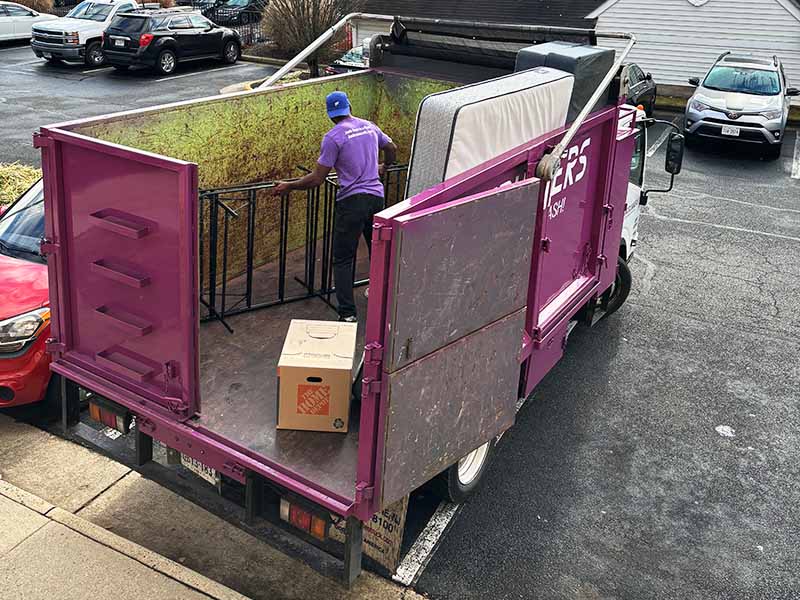
Instead of coordinating trips to disposal sites or figuring out how to move heavy materials, you can rely on our team to handle everything from start to finish. Large items like cabinets, flooring, and demolition debris are removed quickly, often in a single visit, so you can move on and enjoy your newly updated space.
Experience also makes a difference. Our crew knows how to sort materials, identify anything that requires special handling, and follow local disposal regulations. That means fewer mistakes, no guesswork, and peace of mind that everything is being handled properly.
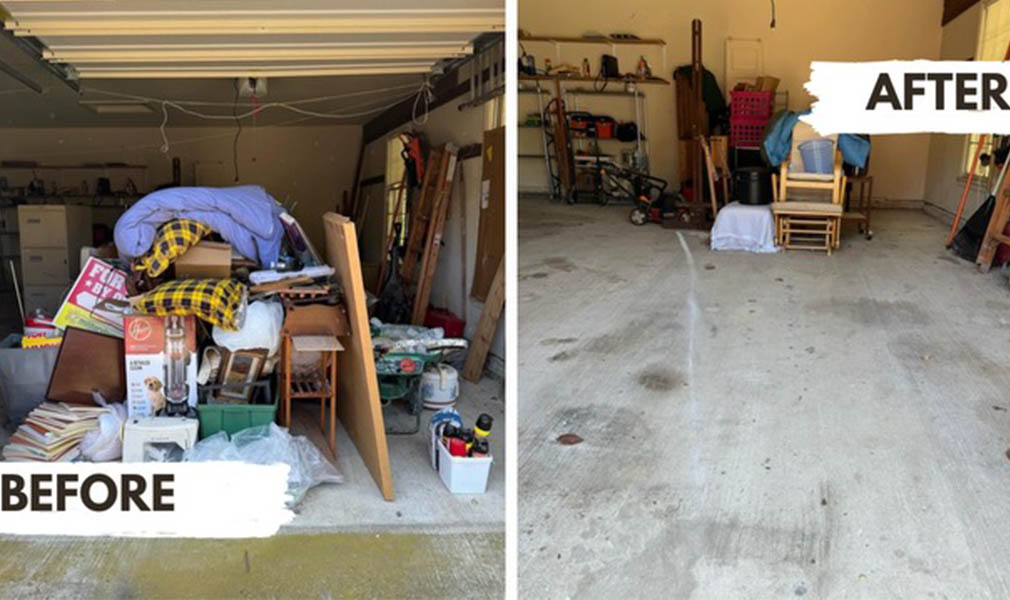
We focus on making the entire process simple for you. From lifting and loading to responsible disposal and donation pickup, we handle the details so you don’t have to. Whether you’ve just finished a small home upgrade or a full renovation, you get a clean space without the stress, delays, or heavy lifting.
Ready to Remove Renovation Debris Fast? Hire Junk Runners Today
Renovating your home is a big accomplishment, but dealing with leftover debris can quickly become overwhelming if you don’t have the right plan. When you understand your materials, prepare properly, and choose the right removal method, the cleanup process becomes far more manageable.
If you want a fast, hassle-free solution, working with Junk Runners is the easiest way to move forward. We help homeowners clear out renovation debris quickly and responsibly, so you can focus on enjoying your updated space.
Contact us today to schedule your removal and take the final step toward a clean, finished home.