When a loved one passes or transitions to assisted living, managing an estate cleanout can feel overwhelming. Sorting through decades of memories, valuables, and unwanted items requires not just emotional strength but also practical organization and efficiency. For residents in Washington, D.C., Virginia, and Maryland, this process can be even more challenging due to busy schedules, property constraints, and disposal regulations.
Approaching an estate cleanout with direction and strategy can help alleviate much of the stress. This comprehensive guide from Junk Runners covers every step of the estate cleanout process, offering expert insights, actionable strategies, and helpful tips tailored for residents across the DMV.
Understanding Estate Cleanouts in the DMV
An estate cleanout involves clearing a property of personal belongings after a major life event such as a death, downsizing, or relocation. The process can be physically demanding and emotionally taxing, especially when sentimental items are involved.
In the DMV region, estate cleanouts often come with additional complexities. City ordinances in D.C., county waste restrictions in Maryland, and landfill regulations in Virginia can all affect how items are donated or disposed of. For example, Fairfax County limits curbside collection of large furniture, while D.C. requires scheduling bulk pickup in advance.
Estate cleanouts typically involve:
- Sorting and organizing items for distribution, donation, or disposal.
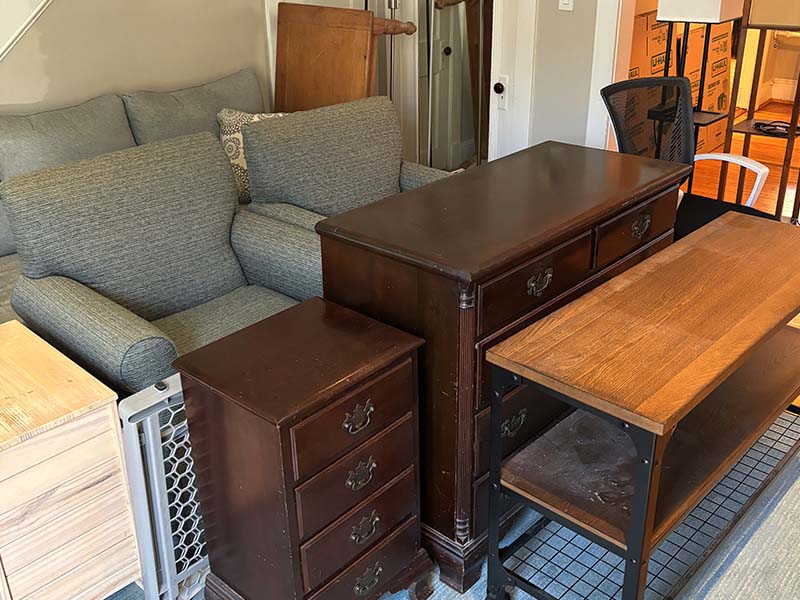
- Removing large furniture, appliances, and junk from the property.
- Preparing the home for sale, renovation, or transfer of ownership.
Understanding these logistics and restrictions early helps reduce stress and prevent costly delays. Partnering with professionals familiar with DMV regulations can also ensure the cleanout is compliant, efficient, and environmentally responsible.
Preparing for an Estate Cleanout: Step-by-Step Planning
Proper planning is the foundation of a successful estate cleanout. Without structure, the process can quickly become overwhelming and time-consuming.
Step 1: Handle Legal and Financial Considerations
If the estate is under probate, ensure all necessary permissions are in place before removing items. Consulting an estate attorney can help avoid potential disputes.
Step 2: Schedule and Prioritize
Develop a realistic timeline. Properties destined for sale or rental often require faster turnover, while family-managed estates may allow for a slower, more deliberate pace.
Step 3: Identify Valuable or Sentimental Items
Before removing items, consult with family members to identify heirlooms, documents, jewelry, and photos. Professional appraisers can assist in determining the value of antiques or collectibles.
Step 4: Create an Inventory
Start by categorizing items into groups: keep, donate, sell, and discard. Labeling boxes and rooms can also help to streamline decision-making later on.
Step 5: Plan for Professional Assistance
Estate cleanouts often require junk removal specialists, movers, or donation partners. Coordinating early prevents scheduling conflicts and reduces stress.
Taking a structured approach to an estate cleanout saves time, minimizes emotional strain, and ensures that nothing important is overlooked during the process.
Sorting, Donating, and Recycling: A Responsible Approach
Responsible estate cleanouts go beyond simple disposal—they aim to reuse, donate, and recycle as much as possible. In the DMV, where sustainability is a growing priority, eco-friendly cleanouts make a meaningful difference.
Donation Opportunities
Local organizations like Habitat for Humanity ReStores, Goodwill, and Salvation Army accept gently used furniture, clothing, and household items. This makes it easy to give items a second life.
Recycling Options
Electronics and appliances can be taken to county recycling centers or specialized facilities. For instance, Montgomery County’s transfer stations accept e-waste, while Arlington County offers hazardous waste drop-offs for things like paint and chemicals.
Why It Matters
Eco-conscious estate cleanouts reduce landfill waste and benefit your local community. By donating items instead of discarding them, you contribute to sustainability while honoring your loved ones’ legacy.
A well-organized donation and recycling strategy ensures efficiency and environmental responsibility while minimizing costs associated with waste removal.
Handling Large and Heavy Items
Estate cleanouts often involve removing bulky furniture, appliances, and equipment, which can pose disposal challenges and safety risks if not handled correctly. Being aware of these difficulties can help you tackle bulk item removal without any holdups.
Safety First
Before moving large objects, ensure walkways are clear and use proper lifting techniques. Two or more people should handle heavy items, and protective gloves and footwear are essential.
Tools and Equipment
Use dollies, straps, and sliders to move furniture without scratching floors or damaging walls. For appliances, ensure electrical and plumbing connections are safely disconnected.
Disposal Challenges
Items like old mattresses, couches, and stoves can’t typically be set out for regular curbside trash pickup. Many of these items have to be hauled to disposal sites or scheduled for bulk pickup. Ensure you familiarize yourself with your county’s specific rules surrounding these sorts of items to avoid fines and delays.
Regulatory Compliance
Some appliances—like air conditioners or freezers—contain refrigerants that require EPA-compliant disposal. It is imperative that you follow local regulations for these items to protect the environment and avoid legal repercussions.
Consider Professional Help
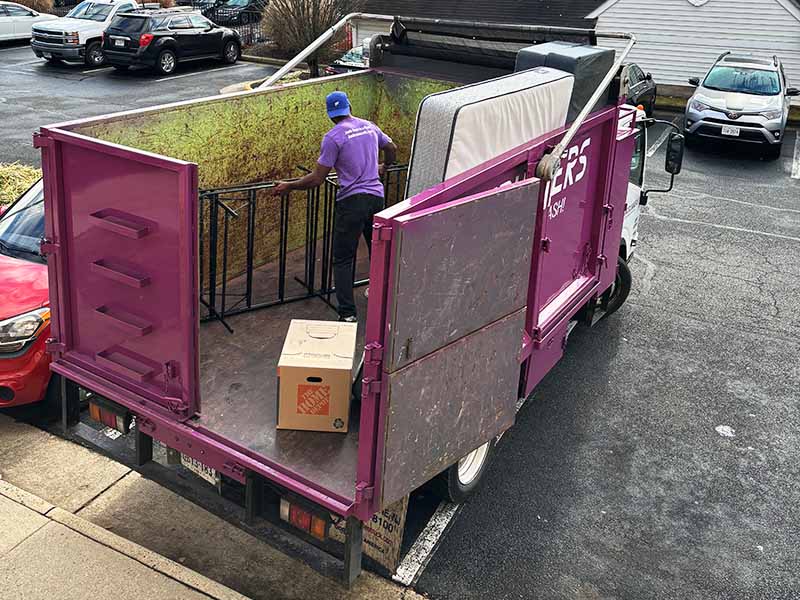
Hiring trained professionals is an excellent way to prevent injuries and ensure safe disposal of large or hazardous items. Junk removal companies like Junk Runners have the equipment and expertise to remove bulky items without damaging the property.
Estate Cleanouts During Emotional Times: Managing Stress
When an estate cleanout comes on the heels of a loved one’s passing, it can add an emotional layer to the process. Sorting through your loved one’s belongings can understandably stir up powerful memories and feelings of loss. Preparing yourself for this part of the cleanout process can help you to stay on track and manage your stress levels.
Take Breaks and Set Realistic Goals
Emotions can make decision-making harder. Setting smaller, achievable goals allows for steady progress without becoming overwhelmed or burned out. It’s also important to give yourself regular breaks so that you can process your emotions and dive back into the cleanout with a clear mind.
Involve Family and Friends
Working together distributes the workload and provides emotional support. Open communication also helps prevent conflicts over sentimental or valuable items.
Give Meaning to the Process
It’s often not reasonable to keep everything from your loved one’s estate and parting with items that are tied to memories can be especially difficult. Considering donating or repurposing cherished items can bring comfort, knowing your loved one’s belongings are helping others. This can add a sense of purpose to the cleanout process.
Hire Compassionate Professionals
Turning to the professionals for an estate cleanout can be an excellent way to complete the process without overwhelming yourself. They can handle logistics respectfully, allowing you to focus on what truly matters—healing and closure.
By acknowledging the emotional aspect and pacing the process appropriately, you can navigate an estate cleanout with greater peace of mind.
Why Choose Junk Runners for Estate Cleanouts in the DMV
When it comes to estate cleanouts, efficiency, empathy, and experience make all the difference. Junk Runners stands out as the trusted estate cleanout and junk removal company in the DMV area, serving homeowners, property managers, and estates with professionalism and care.
What sets us apart from other junk removal companies? When you partner with us, you’re guaranteed to get:
- Comprehensive Services: From full property cleanouts to targeted removals of large furniture and appliances.
- Eco-Friendly Practices: Our team prioritizes donation and recycling, ensuring items are given a second life whenever possible or disposed safely and in compliance with local regulations.
- Local Expertise: With a deep knowledge of D.C., Maryland, and Virginia disposal laws, we ensure all items are handled and disposed of properly.
- Compassionate Approach: Our team handles every estate cleanout with empathy and respect, recognizing the emotional challenges involved.
Find Compassionate Estate Cleanout From Junk Runners
You don’t have to navigate an estate cleanout on your own. Partnering with Junk Runners for thorough and respectful cleanout services can ease the challenges on your plate and help you stay on track during an emotionally and logistically demanding time. We make the process of removing items easier, faster, and completely stress-free—allowing you to keep your attention on what truly matters.
With our focus always on recycling first and disposal last, you can have peace of mind knowing that we handle every item with care and purpose. Usable items are donated whenever possible to benefit families and organizations within your community. Items that can’t be reused are recycled responsibly to minimize environmental impact, ensuring that your estate cleanout is handled with both compassion and sustainability in mind.
Our services aren’t limited to estate cleanouts either. Whether you’re preparing a home for sale, managing an estate transition, clearing out a senior living space, or simply decluttering a property, Junk Runners offers full-service junk removal tailored to your needs. From sorting and loading to donation pick-ups and eco-friendly disposal, we take care of every step so you don’t have to.
Contact Junk Runners today to schedule your DMV estate cleanout and experience professional, compassionate junk removal done right.