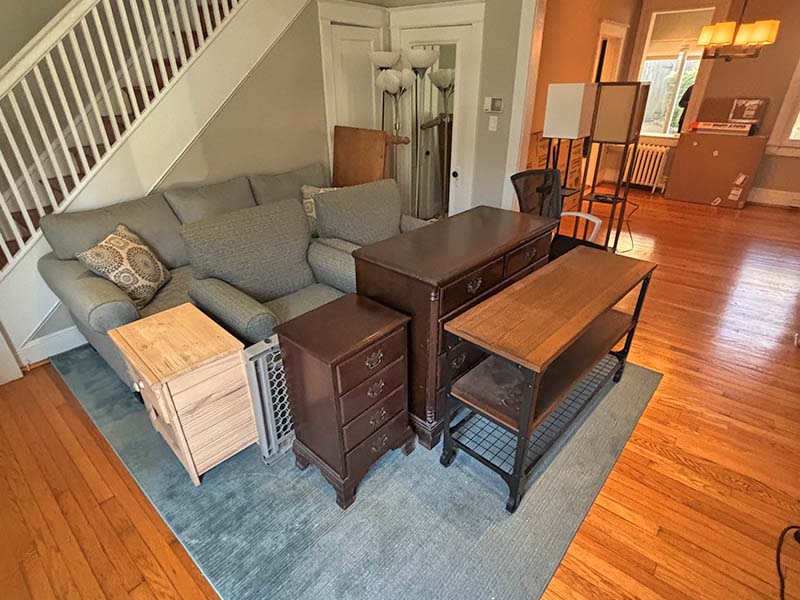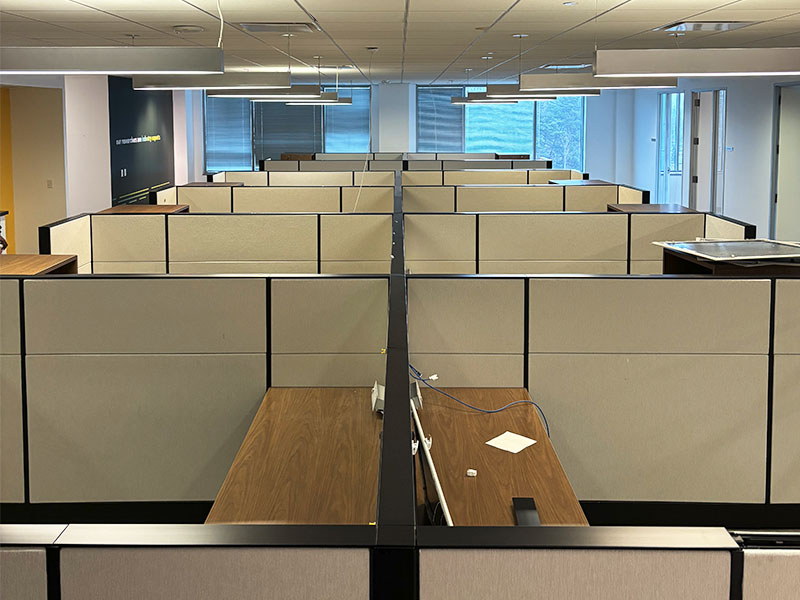
A commercial property cleanout can become complicated quickly, especially in Washington, D.C., where tight schedules, limited loading access, and busy shared buildings can make removal more difficult. Whether you’re clearing an office, preparing a retail space for a new tenant, or organizing a larger business property, the project usually involves more than simply deciding what to throw away.
With Junk Runners handling the labor, hauling, and on-site removal logistics, you can reduce disruption, protect your property, and keep the cleanout moving efficiently. You’ll still make the key decisions about what stays and what goes, but you won’t have to manage the physical work yourself.
Why Commercial Property Cleanouts Need a Clear Plan
A commercial cleanout often includes more moving parts than a typical residential project. You may need to remove office furniture, shelving, outdated equipment, stored materials, boxes, fixtures, or items left behind by a previous tenant.
The challenge isn’t only the volume of material. You also need to consider how the work may affect employees, customers, contractors, tenants, and other people using the property.
Without a clear plan, unwanted items can block walkways, slow down operations, or create confusion about what should stay and what should go. A rushed cleanout can also lead to missed deadlines or unnecessary labor.
That doesn’t mean you need to manage every detail yourself. Your role is to identify the scope, communicate your priorities, and provide access to the property. From there, our team handles the lifting, loading, hauling, and on-site removal process.
Define the Scope Before Your Cleanout Begins
Before the service date, take a general look through the property and identify the areas you want cleared.
A broad instruction such as “clear out the office” can mean different things to different people. One person may assume it includes only desks and chairs, while another may expect storage rooms, breakrooms, and filing areas to be cleared as well.
You don’t need to create a detailed inventory of every item. A basic walkthrough can help you identify the rooms, storage areas, or sections involved so we can better understand the project.
Sort Only What Requires a Decision
You don’t need to organize every chair, box, cabinet, or shelf before we arrive. Instead, focus on the items that require a clear decision.
Those may include:
- Items that must remain on-site
- Equipment moving to another location
- Personal belongings
- Confidential documents
- Electronics containing sensitive data
- Items approved for removal
A simple labeling system can help distinguish what stays from what goes. Colored tape, printed signs, or one designated “keep” area is often enough.
Once those decisions are clear, our team can handle the physical work of moving and loading the approved items.
Give Us a General Sense of Volume
You don’t need to calculate the exact weight or volume of the cleanout. However, it helps to explain whether you’re dealing with a few bulky pieces, several rooms of furniture, or a full commercial property.
Photos can make this process easier. A few wide shots of the property, along with images of especially large items, can help us understand the likely scope.
If an on-site assessment is needed, we can evaluate the property directly and determine the labor, equipment, and hauling capacity required.
Build a Timeline Around Your Business Needs
Once you understand the general scope, the next step is choosing a timeline that works with your operations.
Start with your final deadline. You may need the property cleared before a lease ends, renovations begin, an inspection takes place, or a new tenant moves in.
From there, allow enough time to approve the items for removal and schedule the service. You shouldn’t need to build a detailed labor or hauling schedule yourself. We’ll determine how the work should be handled once the scope and deadline are clear.
Choose the Least Disruptive Time
Your cleanout shouldn’t create unnecessary disruption for employees or customers.
For an occupied office, you may prefer to schedule removal during a slower period. For a retail or customer-facing property, you may want to avoid peak business hours. In a shared building, the available service window may depend on property management rules.
Before the project begins, notify anyone who may be affected. Let employees know which areas will be unavailable and when they should remove personal belongings.
Beyond that, our team will manage the work area, move approved items efficiently, and keep the process as contained as possible.
Allow Some Scheduling Flexibility
Commercial cleanouts sometimes reveal more material than expected. A storage room may contain years of accumulated supplies, or a large piece of furniture may require more time to remove than anticipated.
Access restrictions can also affect the timing of the job.
You don’t need to anticipate every possible obstacle. Providing accurate information about the property and deadline gives us what we need to plan appropriately and address issues as they arise.
Let Junk Runners Handle D.C. Access Challenges
Commercial junk removal in Washington, D.C., can involve narrow hallways, limited street access, shared elevators, restricted loading areas, and older buildings with tight stairwells.
You shouldn’t have to determine the exact removal route, loading sequence, or lifting method yourself. Our team can assess the property and decide how to move approved items safely and efficiently.
Your main responsibility is to share any building requirements you already know and provide the necessary access.
Confirm Basic Building Requirements
Some commercial properties require vendors to follow specific procedures. Before the service date, check whether the building has rules related to:
- Freight elevator reservations
- Loading dock access
- Approved service entrances
- Permitted service hours
- Vendor documentation
- Parking or loading restrictions
You can pass those requirements along to us. From there, we’ll plan the removal process around the building’s access conditions.
You don’t need to map hallways, measure every doorway, or develop a route through the property. Our crew can evaluate those details on-site.
Leave the Physical Logistics to Our Team
Large desks, filing cabinets, shelving units, and office equipment can be awkward to move through commercial buildings.
We can determine whether items need to be repositioned, partially disassembled, or moved using appropriate equipment. Our team can also account for tight corners, stairs, elevators, and shared areas.
That’s one of the main advantages of working with Junk Runners. You identify what needs to go, and we determine how to remove it.
Decide What Requires Special Handling
Not every item in a commercial cleanout should be treated the same way.
Some materials may contain confidential information, require internal approval, or need to be separated before removal. Addressing those items early protects your business without turning the entire cleanout into a large sorting project.
Separate Electronics and Data-Containing Devices
Commercial properties often contain computers, monitors, printers, phones, servers, storage devices, and related equipment.
Before any data-containing device leaves your control, follow your company’s internal security procedures. That may include wiping, removing, or destroying hard drives and other storage media.
Don’t assume a general cleanout includes data destruction. If equipment contains customer, employee, financial, or operational information, address that data before approving the item for removal.
Once sensitive information has been handled, we can take care of the physical hauling.
Secure Confidential Documents
Old filing cabinets, boxes, and storage rooms may contain records that shouldn’t be placed in a general junk pile.
Set aside any sensitive documents that require secure shredding or another approved records-destruction process. You don’t need to organize every file, but you should remove confidential material from items scheduled for junk removal.
That simple step protects your business while allowing the rest of the cleanout to move forward efficiently.
Identify Items That Must Stay
The most important preparation step is making sure we know what shouldn’t be removed.
Clearly identify furniture, equipment, supplies, or fixtures that need to remain. A simple label or designated area is usually sufficient.
You don’t need to sort every unwanted item into separate categories. Once the “keep” items are clear, our team can focus on clearing the approved areas.
Know When Professional Junk Removal Makes Sense
A few lightweight items may be manageable internally. Larger commercial cleanouts, however, can quickly take employees away from their normal responsibilities and create avoidable safety concerns.
Working with Junk Runners is often the more practical choice when:
- The project includes heavy or bulky items
- Several rooms or floors need to be cleared
- You’re working under a firm deadline
- Building access is limited
- Furniture must be removed through shared spaces
- Employees don’t have the proper equipment
- The property must be ready for a tenant, contractor, or inspection
Hiring our team reduces the number of separate tasks you need to coordinate. Instead of arranging labor, vehicles, lifting equipment, and hauling on your own, you can rely on one company for the removal process.
That can be especially valuable when your attention needs to stay on a move, renovation, tenant turnover, or daily business operations.
What to Expect From Junk Runners
Our goal is to make your commercial property cleanout easier, not create more uncertainty.
Before the service date, we’ll work with you to understand the scope, timing, access conditions, and approved removal areas. Depending on the project, that may involve reviewing photos, discussing the inventory, or evaluating the property.
A Clear Estimate
A commercial junk removal estimate may be influenced by factors such as:
- The amount of material
- The size and weight of individual items
- Labor requirements
- Property access
- Required disassembly
- Loading distance
- Disposal considerations
You won’t need to calculate truck space, labor hours, or removal methods yourself. We’ll assess the job and explain the estimate based on the project details.
Clear Communication
You shouldn’t have to guess when our crew is arriving or what will happen on the service day.
Before work begins, we’ll confirm the appointment, access instructions, point of contact, and approved removal areas.
A brief walkthrough at the start of the job can help confirm what stays and what goes. After that, our team can manage the physical work with minimal involvement from you.
How Junk Runners Simplifies Commercial Property Cleanouts
Junk Runners helps D.C. businesses approach commercial property cleanouts with less stress and fewer moving parts.
When you contact us, we’ll work with you to understand what needs to be removed, where the property is located, and whether any building restrictions may affect access. You provide the basic project details, and our team handles the lifting, loading, and hauling.
We can assist with commercial cleanout projects involving common unwanted items such as:
- Desks and office chairs
- Filing cabinets
- Cubicles and workstations
- Shelving
- Fixtures
- Office equipment
- Breakroom furniture
- General business clutter
Every property is different, so we assess each cleanout based on its size, layout, and removal needs.
A single-office project may require a straightforward pickup, while a larger commercial space may involve several rooms, storage areas, or floors. In either case, our role is to make the process easier for you.
You tell us which items or areas need to be cleared. Our team handles the physical removal.
Common Reasons D.C. Businesses Need a Cleanout
Commercial cleanouts happen at many stages of a property’s use. Understanding the reason for your cleanout can help you communicate the deadline and priorities to our team.
Office Moves
When you’re relocating, it rarely makes sense to move every item to the new space.
You may have outdated furniture, broken equipment, duplicate supplies, or materials that no longer fit your needs. Removing those items before moving day can reduce clutter at the new location and allow your movers to focus on the items you’re keeping.
We can clear the unwanted items without requiring your employees to carry furniture, rent vehicles, or make disposal trips.
Tenant Turnovers
If you manage commercial property, you may need to clear items left behind after a tenant moves out.
Furniture, shelving, displays, boxes, and miscellaneous materials can delay repairs, inspections, marketing, and the next occupancy.
Our team can clear the space so your maintenance staff and contractors can focus on preparing the property for its next use.
Renovations
Before a renovation begins, contractors often need a clear workspace.
Old furniture, fixtures, cabinets, and other unwanted materials can slow down preparation and create obstacles. Removing them before construction starts gives contractors more room to work and helps the project begin on schedule.
We handle the clearing process so your employees and contractors don’t have to.
Warehouse and Storage Cleanouts
Warehouses and storage rooms can accumulate damaged inventory, packaging, outdated equipment, and items that haven’t been used in years.
For a larger property, our team may recommend clearing the space in stages. We can develop that process based on the property and your operational needs.
You don’t need to design the cleanout sequence yourself. You simply identify the areas that need attention and communicate any access limitations.
Retail and Restaurant Changes
Retail and restaurant properties may need cleanouts during remodeling, lease transitions, closures, or ownership changes.
Fixtures, displays, seating, shelving, and back-of-house materials can take up significant space. Our team can remove those items while you focus on the business transition.
That can help you prepare the property for contractors, a new tenant, or a new layout without assigning the work to your employees.
Prepare for Service Without Taking On the Whole Project
You don’t need to spend days organizing the property before our crew arrives.
A few simple steps are usually enough:
- Remove personal belongings
- Secure confidential documents
- Identify anything that must remain
- Provide access to approved areas
- Share known building restrictions
- Designate a contact for questions
You shouldn’t need to map pathways, plan loading routes, determine how furniture will be moved, or calculate how many trips the job will require. Those are removal logistics, and our team handles them.
After the work is complete, a brief walkthrough allows you to confirm that the approved areas have been cleared.
Schedule Your D.C. Commercial Property Cleanout
A commercial cleanout doesn’t have to become a drawn-out or disruptive project. You only need to define what should stay, identify what needs to go, and share the property’s basic access requirements.
Junk Runners handles the heavy lifting, loading, hauling, and on-site removal logistics. We’ll work with you to understand the project, coordinate around your schedule, and help prepare the property for its next use.
Contact Junk Runners today to discuss your D.C. commercial property cleanout and request an estimate.